
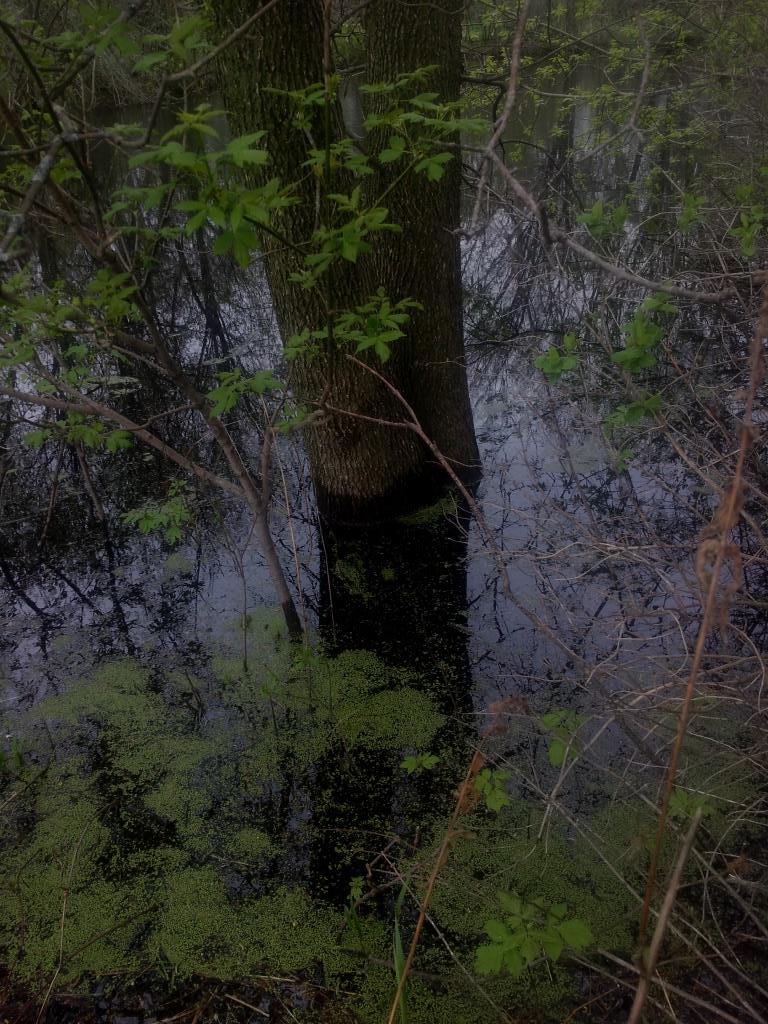
Since I have some spare time to write a newsletter this week, and the spare time is due to all the rain we have been getting lately, I thought an appropriate column this week would focus on the various effects on the farm – both positive and negative – of all this rain. So let’s just jump right in shall we?
Plants like moisture – especially vegetables. All this rain is good for growing vegetables. We don’t have to spend time running irrigation lines and laying drip tape. Nature is providing us all the water our plants need.
Lightning fertilizes the plants. I’ve talked about this before so I won’t bore you with the details here. When we have a nice lightning storm we add nitrogen to the soil. This past weekend we had a lot of fertilizer raining down on us.
So much for all the good things rain does. Let’s get on to the downside of all this rain.
Too much moisture causes erosion. With the amount of rain we’ve had – and more specifically the deluge of rain we had this past week – there has been significant erosion on our sloped growing areas. Hard rains are especially troublesome during the Spring since the plants are small with corresponding small root structures. The roots are what keep the plant from roaming. It also keeps the soil from roaming. But when the roots aren’t well established the erosion becomes significantly greater – there is nothing keeping the soil in place. We try to minimize the effect by having grass strips and leaving areas uncultivated until we are ready to plant. Sometimes the dead cover crop from the previous season has enough roots structure to prevent erosion. Sometimes not. This spring we’ve had erosion issues on our potatoes and our early broccoli. We’ll have to push the soil back up the hills later this summer.
Too frequent rains impact the planting schedule. There is plenty of flexibility in the planting schedule but if there isn’t any flexibility in the weather it impacts our ability to get the job done. This season with the late spring and the subsequent frequent rains we are behind on our planting. In past seasons we would have planted two rounds of snap peas by now, with the third going in next week. This season we got one in a little over three weeks ago but haven’t had a chance to plant the second one yet due to the wet soil. We do not want to “work” wet soil. It causes compaction and turns it into concrete. So not only do we have to wait for it to stop raining but we also need to wait for the soil to dry sufficiently to allow us to get it ready for planting. That’s why we like warm, windy days following large amounts of rain. So far we aren’t seeing the warmth.
Rain encourages the weeds. It never fails, year after year. We have a period of time in the spring when we feel we are managing the weeds successfully only to have a week of rain where the weeds grow quickly and we have no ability to combat them. When the soil is wet we don’t want to drive on it or even walk on it. When it is really wet we end up sinking into the mud. So we don’t do any cultivation. Plus wet soil is not easy to hoe; in fact it is quite miserable to hoe. And even if it was enjoyable to hoe wet soil the weeds have a greater chance of surviving the hoeing process; the moisture prevents their desiccation on the surface therefore allows them to reestablish. All that hard hoeing work goes to waste. So with all the rain we’ve had we are noticing a nice “greening” of the farm. Hopefully we can get out there before the weeds become firmly established.
Enough of the pros and cons of rain. Hopefully we have a week or so of dry weather to get us back on track. We’ll need it to plant everything that is behind schedule plus cultivate all the plants already established. It could easily take a week to get all that done.
Announcements
We still have shares available so spread the word!
Deadline for Seafood is May 15th.
We have lots of eggs for sale.
Q: What did one raindrop say to the other? A: Two’s company, three’s a cloud